
A vacuum coating machine is a type of equipment used for thin film deposition under high vacuum conditions. Its core principles can be divided into two main technical pathways: the first uses thermal energy to evaporate materials, such as resistive heating evaporation and electron beam evaporation; the second involves sputtering materials via plasma, such as magnetron sputtering and ion beam sputtering. Additionally, there are more precise specialized techniques like Molecular Beam Epitaxy (MBE) and Pulsed Laser Deposition (PLD).
The item to be coated is called the substrate, and the material used for coating is called the target. Both the substrate and the target are located together inside the vacuum chamber.
Evaporation Coating works by heating the target material, causing its components to vaporize into atoms or ions, which then travel to and deposit onto the substrate surface. Subsequently, the vapor-phase material undergoes a dynamic process of "nucleation → island growth → grain boundary connection → layered epitaxy," ultimately forming a dense solid thin film.
Sputtering Coating is a technique where plasma (or a high-energy laser) is excited to bombard the target, causing surface atoms/ions to be "sputtered" off and deposited onto the substrate to form a film. Known for its excellent film quality and controllability, it has become a key process in semiconductor chip manufacturing.
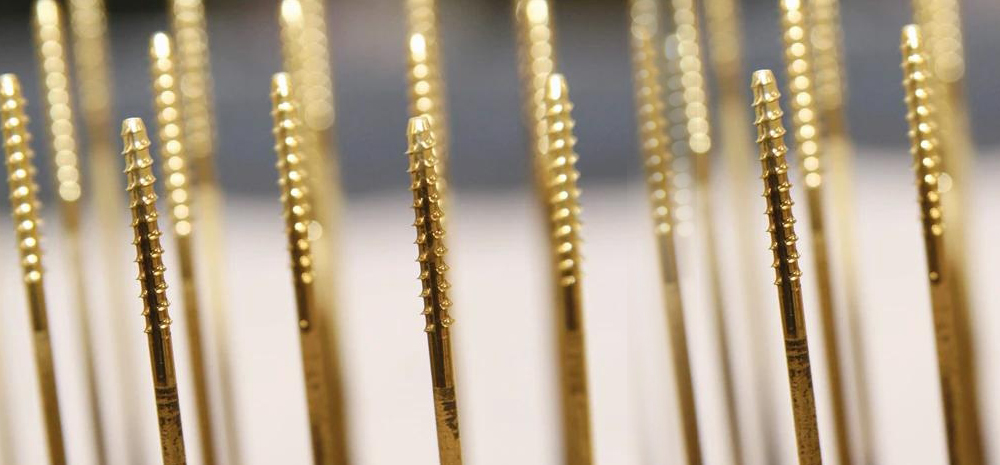
Diamond-Like Carbon (DLC) film is a metastable material composed of a combination of sp3 and sp2 hybridized bonds. It combines the excellent properties of diamond, such as high hardness and high resistivity, with the lubricity of graphite. It performs exceptionally well in the fields of optics and tribology.
Its preparation process is flexible, allowing for customization from micron-thick microcrystalline diamond layers to ultra-nanocrystalline layers as thin as 5 nanometers, while also supporting high deposition rates to meet diverse industrial application needs.
DLC films are mainly divided into hydrogen-free and hydrogenated types. As the hydrogen content increases, the film's hardness decreases accordingly, but its lubricity improves significantly. This characteristic makes them widely applicable in various industries, mainly including wear-resistant components in the automotive and aerospace sectors (e.g., oil-free lubrication parts for aircraft, engine fuel injectors, piston rings, gears, bearings, etc.), cutting tools (e.g., drill bits and milling cutters), industrial molds, and pipeline inner wall protection. Targeted selection of these coatings can effectively enhance component wear resistance and service life.

If you have inquiry or want to discuss your design with us, please write email to us.
We will reply your email within 24 hours.
The production process begins with the preparation of high-purity tantalum ingots (purity ≥ 99.995%). First, the ingot undergoes upset forging, with the deformation rate precisely controlled between 40% and 50%. This step aims to accumulate sufficient deformation stored energy, laying the foundation for subsequent grain refinement. Subsequently, the ingot is split into two along the cross-section perpendicular to the upset forging direction. This key operation is designed to expose the strong {111} texture – which forms at the mid-height of the ingot during upset forging and can lead to premature target failure – to the surface, so it can be thoroughly eliminated in subsequent processing steps.
After splitting, the billet undergoes forging and drawing to further optimize its internal microstructure. Following forging, an intermediate annealing treatment is required. The purpose of this is to relieve internal stresses generated during processing and to promote grain recrystallization, thereby achieving a uniform and refined grain structure. After this stage, an intermediate tantalum target blank with preliminarily optimized structure and properties is obtained.
The intermediate target blank then enters the precise cold rolling and annealing cycle stage. This process specifically includes a first cold rolling, followed by annealing, then a second cold rolling, and a final annealing. Through this combined process, a final tantalum target blank with a highly uniform texture distribution in the thickness direction is successfully prepared. This not only solves the film thickness uniformity issue but also significantly improves the target's service life by pre-eliminating the problematic microstructural zones.
Add: 399 Chunhe Road, Baoshan District, Shanghai, China, 200941
Tel: +86 21 56656030
Email: info@fortu-tech.com